★★★★★ Nominated for the 24th Taishin Arts Award
★★★★★ Nominated for the 2nd Taipei Theatre Awards — Best Independent Spirit
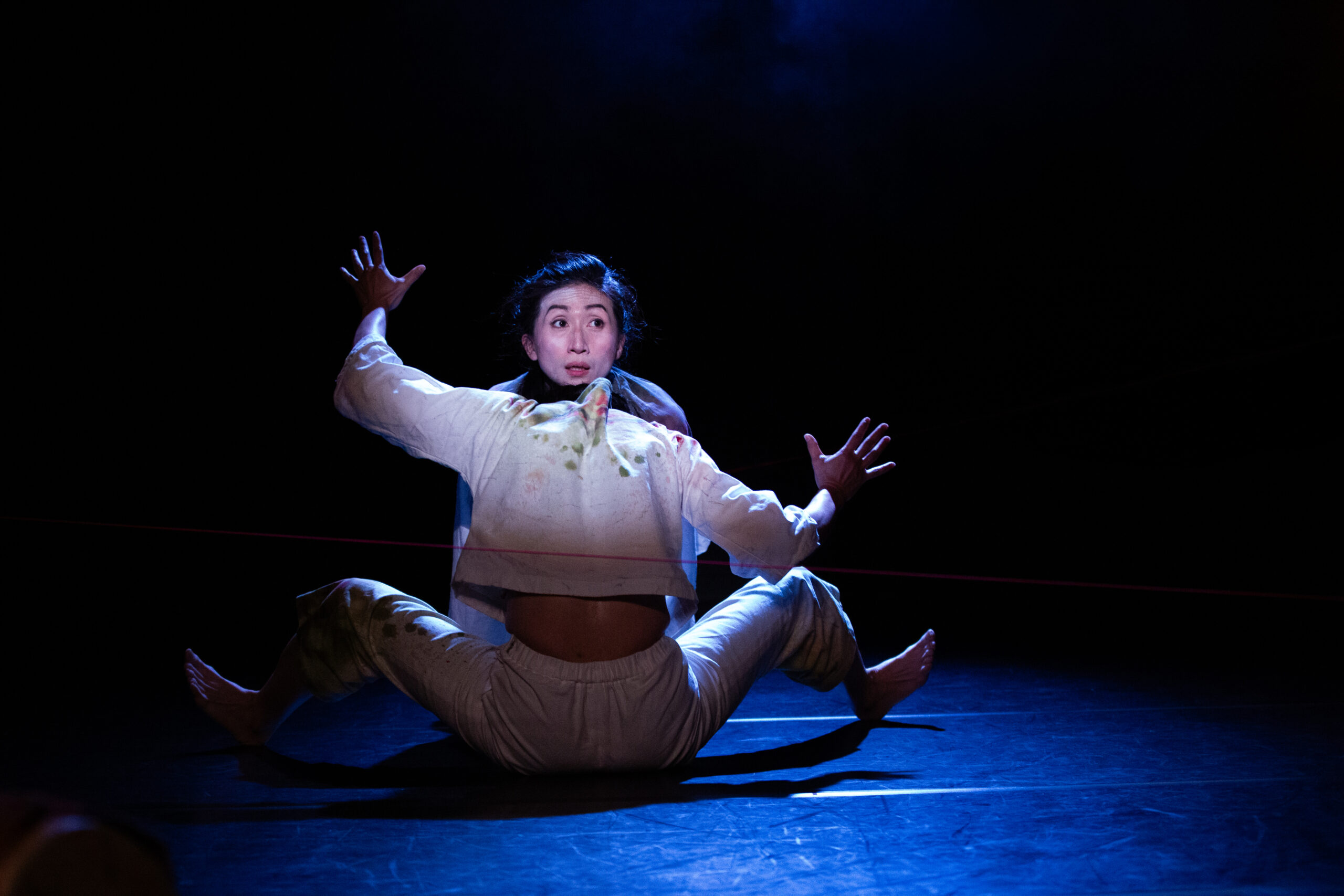
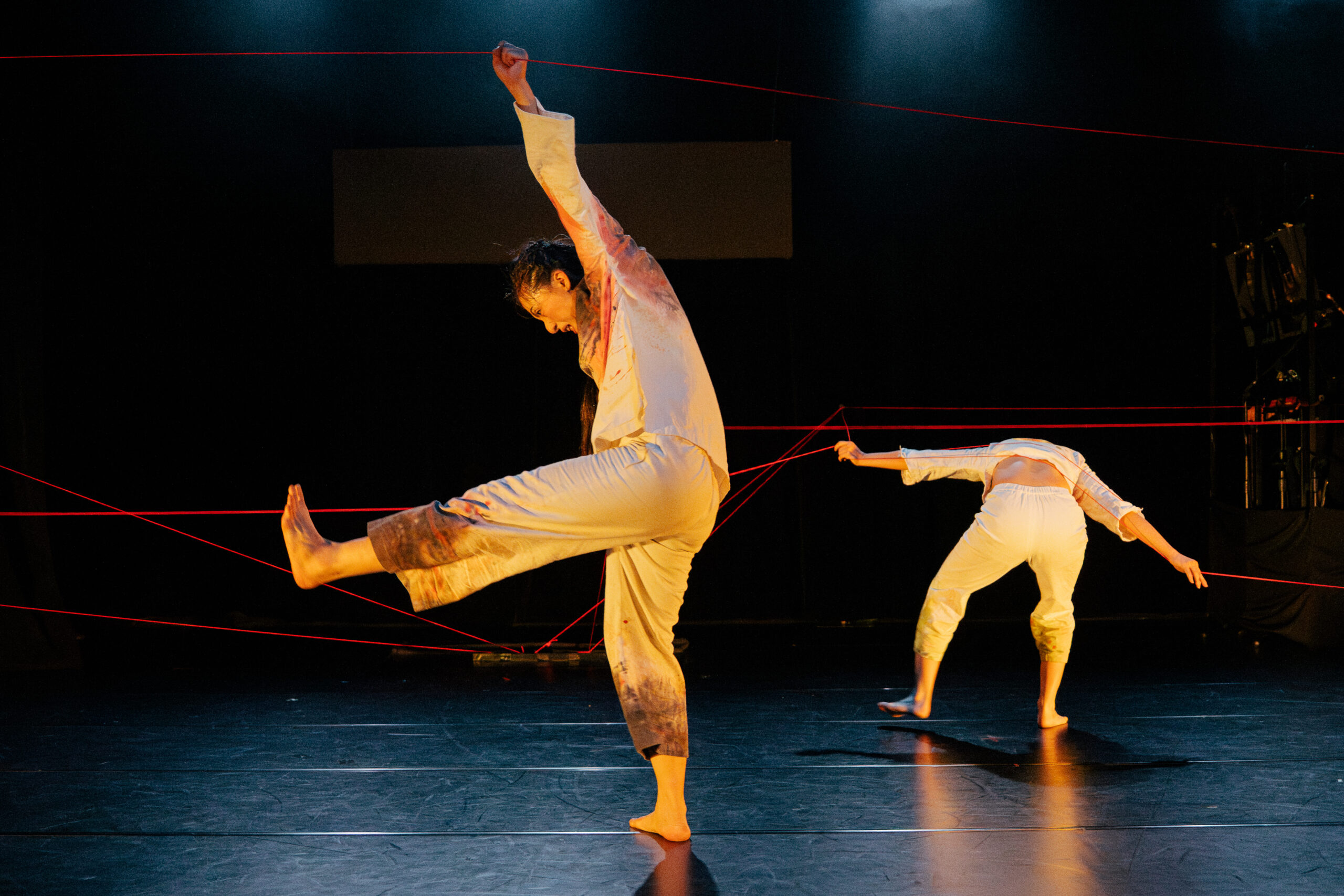
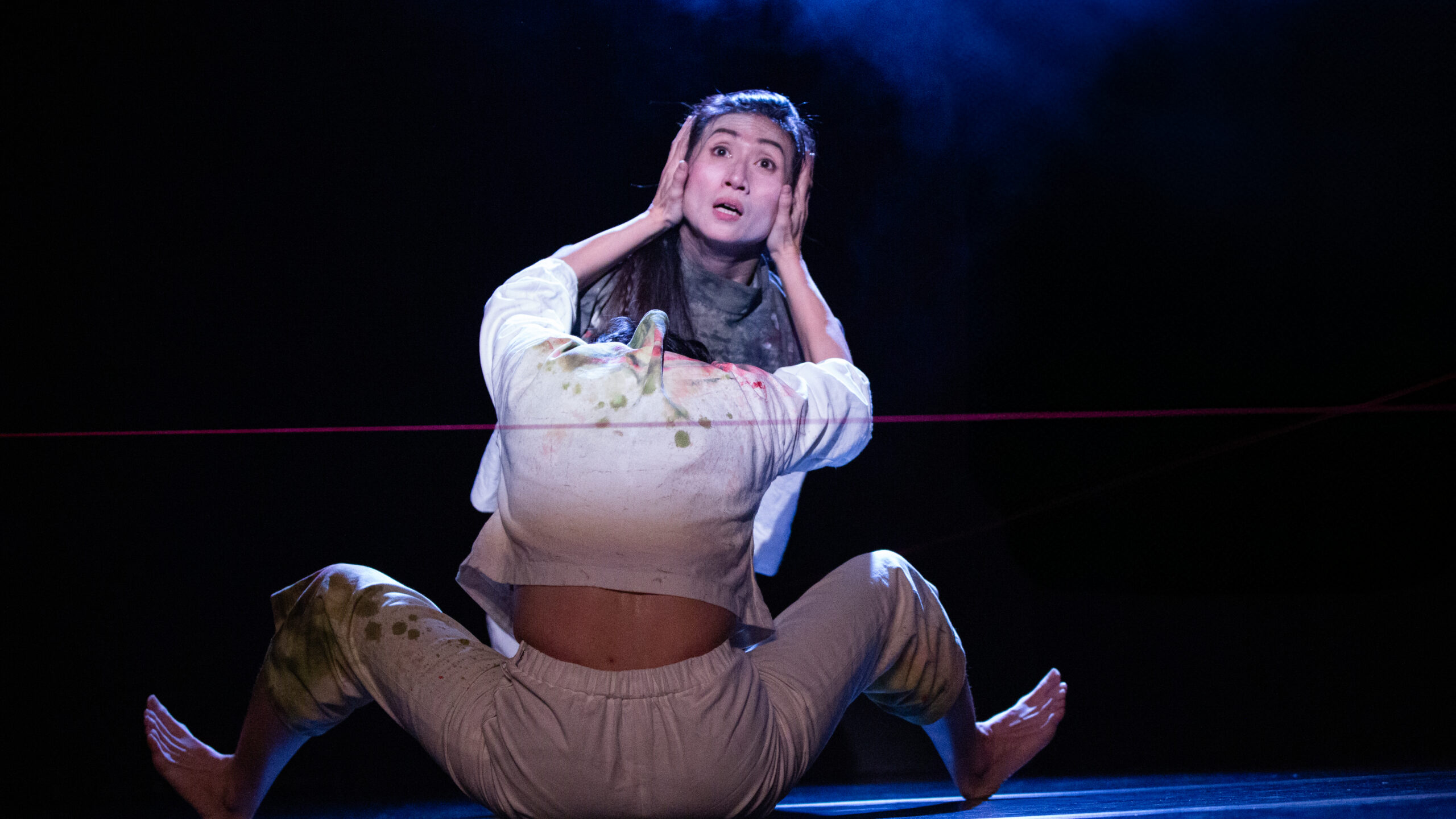
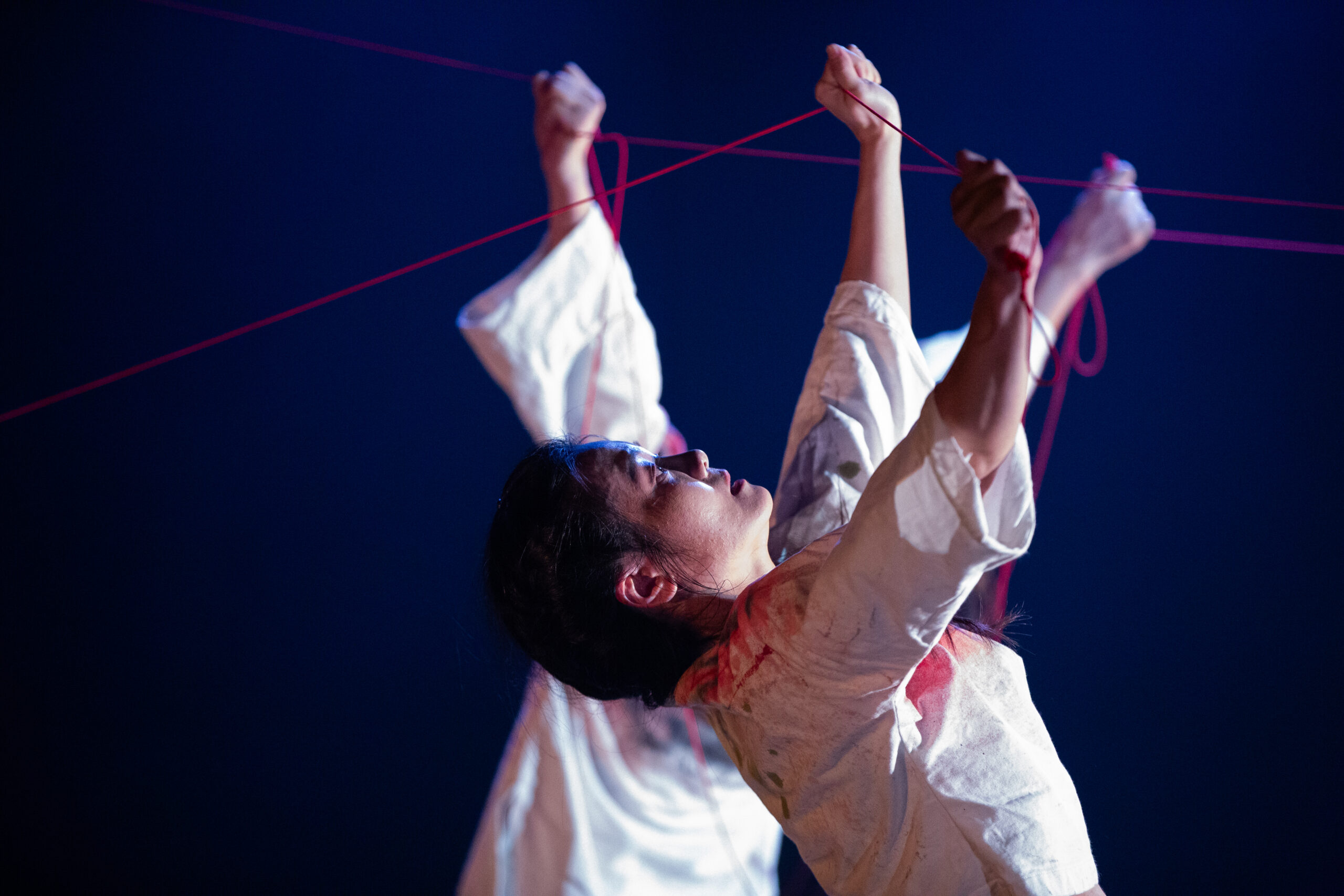
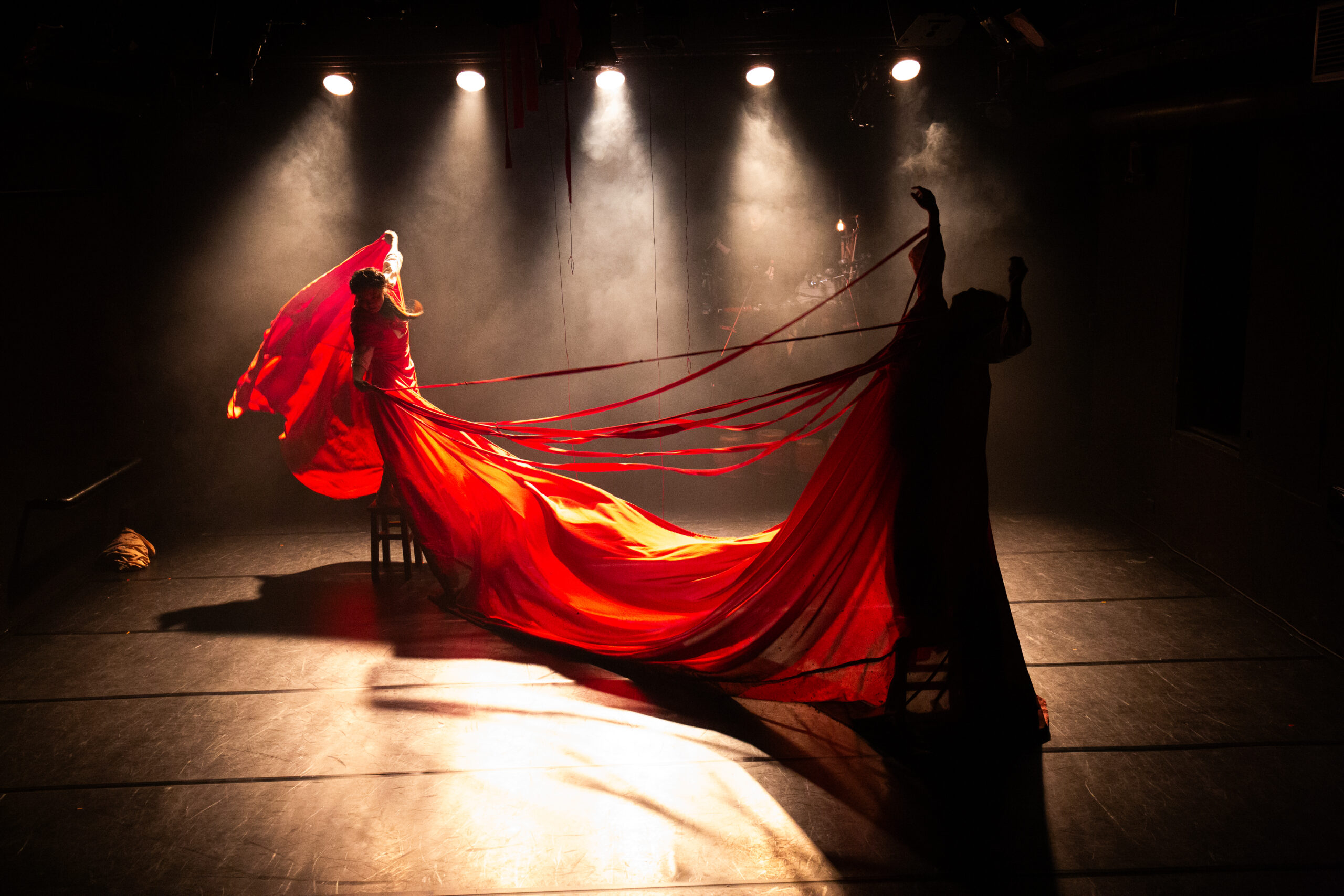
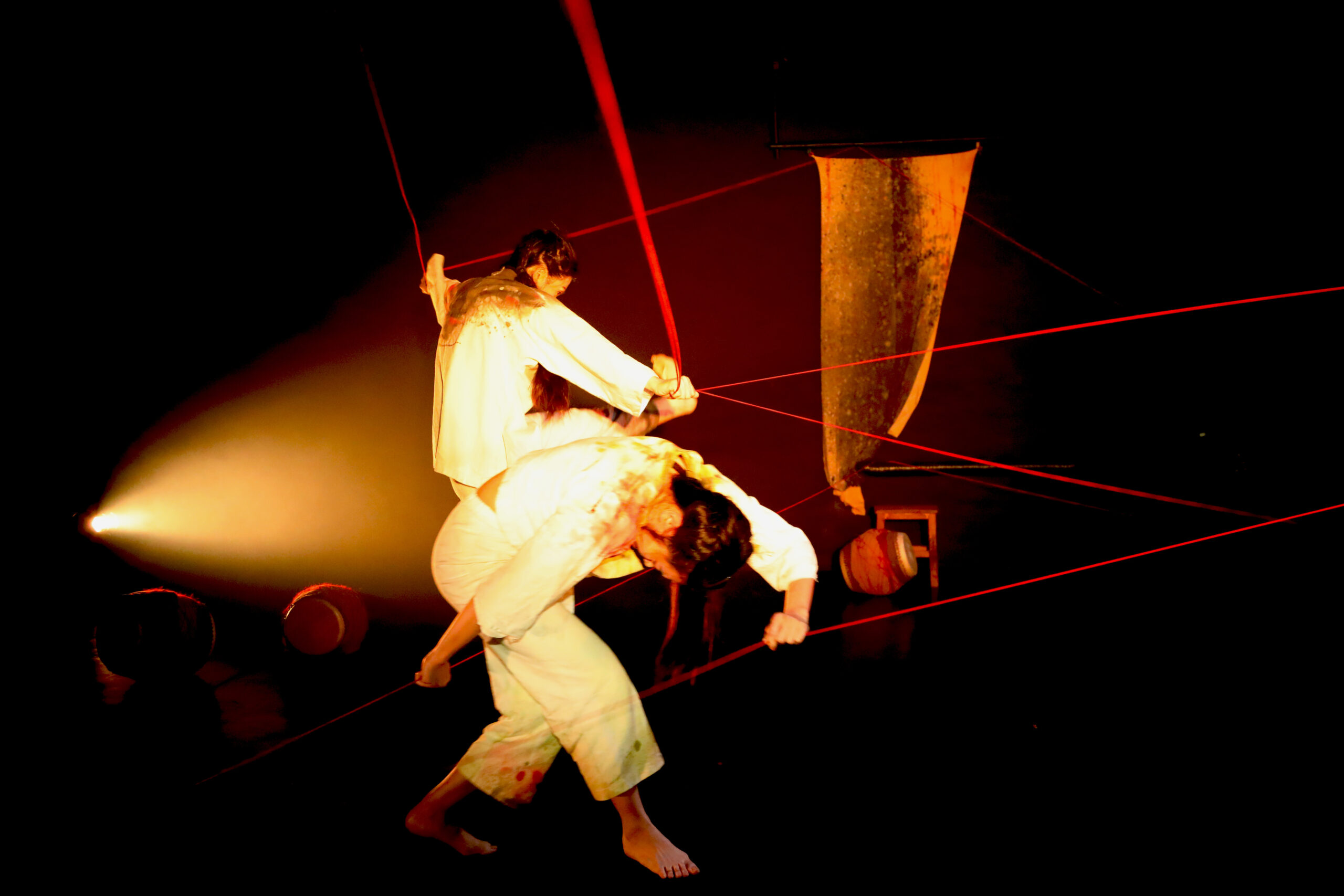
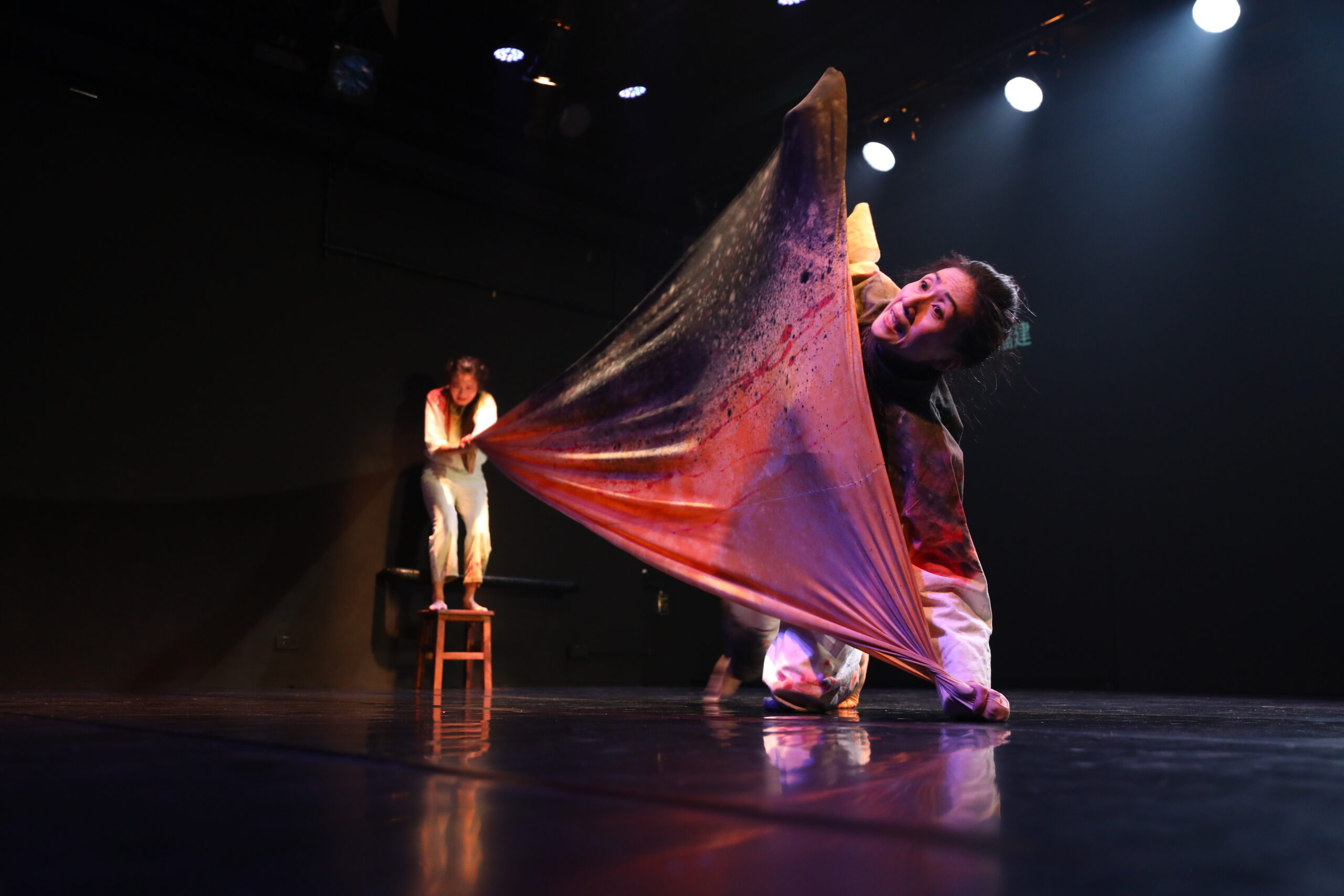
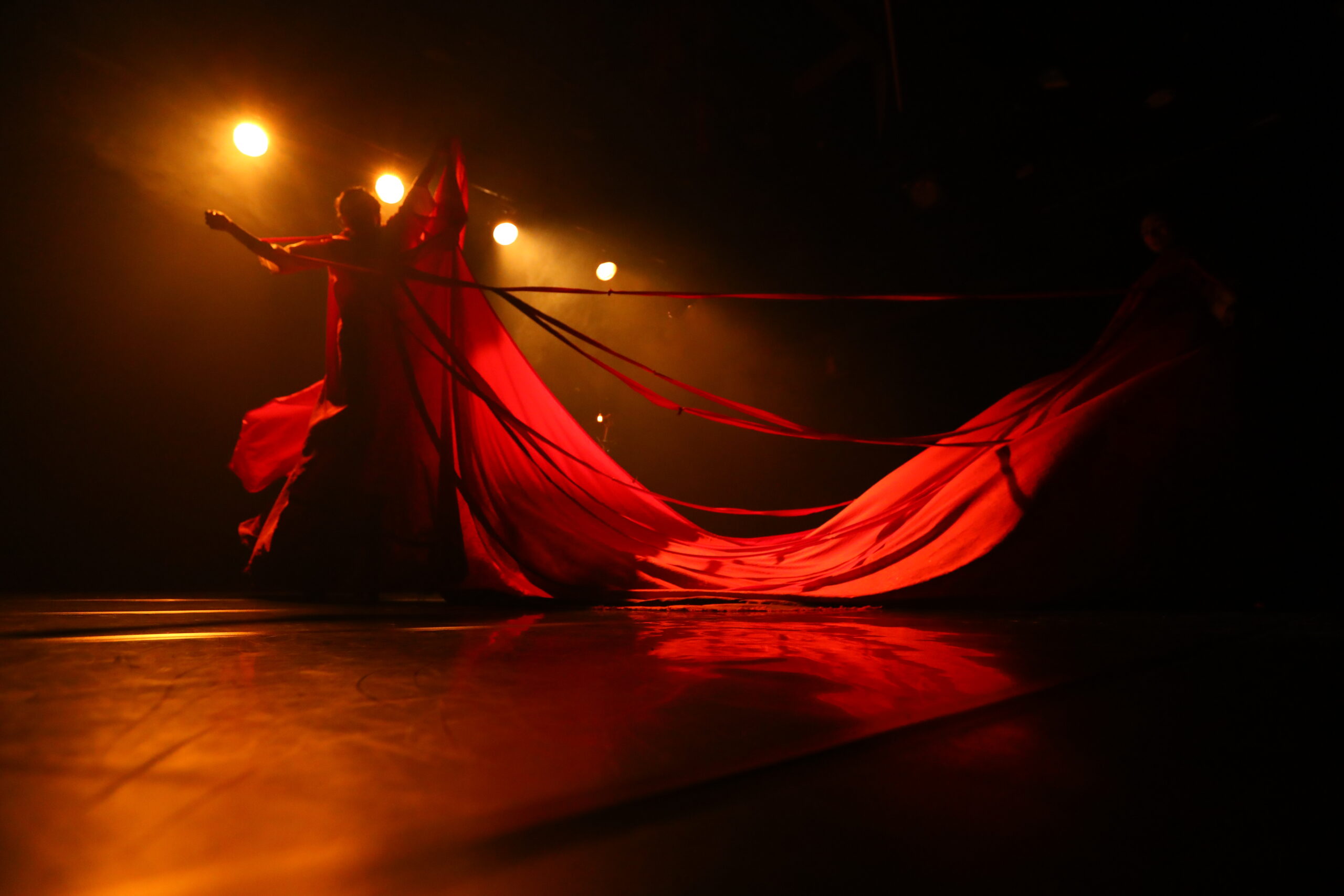
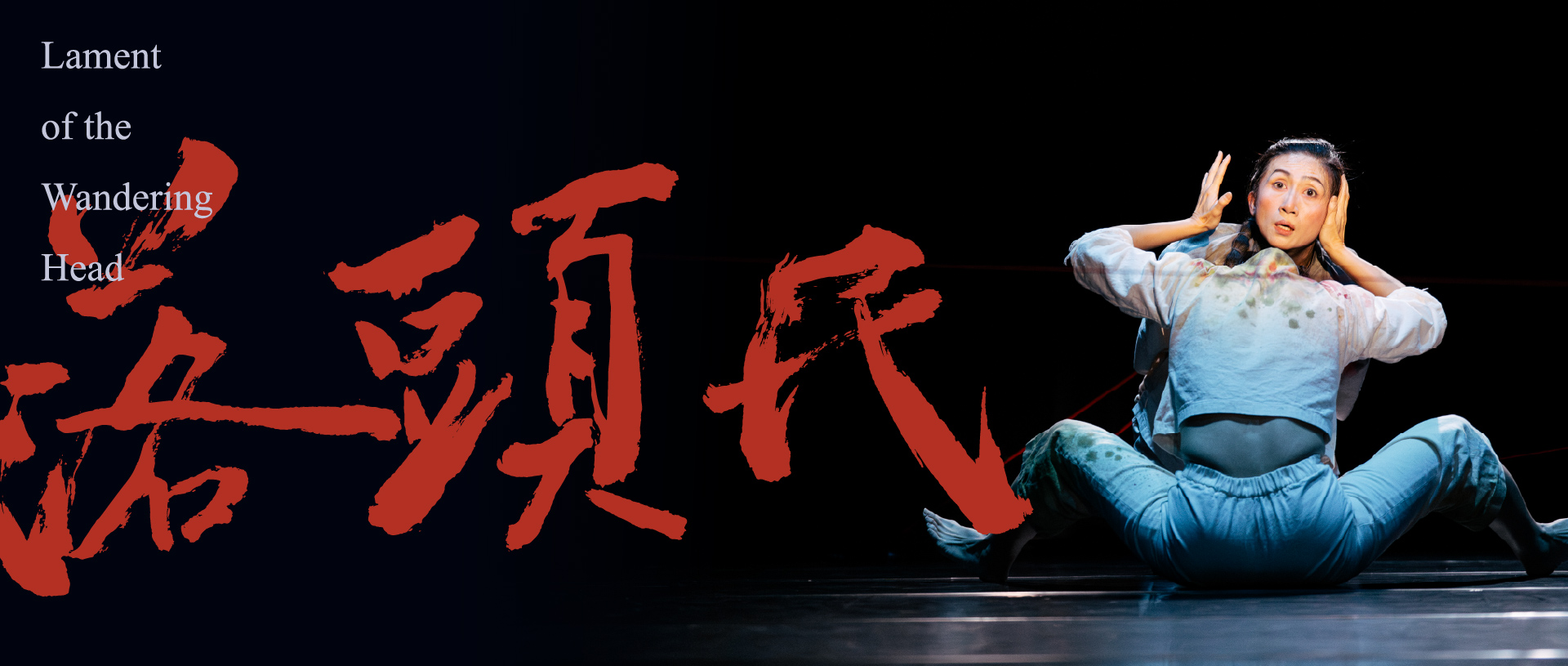
Taiwan-based performing arts company Sun Son Theatre (身聲劇場) presents “Lament of the Wandering Head”, one of the most representative experimental works of the company’s signature practice of integrating performance, music, and movement. The work draws its inspiration from a supernatural legend widespread across Southeast Asia—the flying human head, found in the folklore of China, Indonesia, Vietnam, Laos, and Malaysia, said to detach at night in search of human excrement and women’s menstrual blood. Sun Son Theatre takes this image of bodily rupture and transforms it into a metaphor for the collective trauma and individual dislocation experienced by Chinese diaspora communities across the twentieth century and beyond, caught between nation, bloodline, and land.
The work imagines a condition of “flying heads” that occurs only among women—a mythic inheritance whose descendants have scattered across countries and cities. At its centre is the story of a Malaysian Chinese woman studying and living in Taiwan, tracing the currents of this restless, displaced history. Like many marginalised and little-known communities, the Flying Head clan exists between myth and memory, ghost story and lived history, suspended between imagination and reality.
“My body is a headless train. My body is a legless boat. How do I find my way East or West?”
Performed by Taiwanese artists alongside Penang-born performers long based in Taiwan, the work weaves together storytelling, live music, physical movement, and chants to trace the ghostly, wandering fate of women in migration and displacement. With a spare stage, the full physical presence of its performers, non-linear poetic language, and a sound world carried by live music, the work is at once a ritual of summoning—invoking the lingering ghosts of colonial history—and a moving inquiry into the politics of identity today.
Now in its 27th year, Sun Son Theatre is a distinctive voice in Taiwan’s music and physical theatre scene, known for the seamless integration of performance, musicianship, and movement within a single performer. In this production, the performers play live music featuring Taiwanese gongs, cymbals, and drums alongside Southeast Asian gong ensembles and flutes, while the text weaves between Penang Hokkien and Mandarin. Through these elements, audiences are invited to connect with experiences that resonate far beyond any single community—migration, colonialism, and the ongoing search for identity and belonging.
“Lament of the Wandering Head” has been nominated for Taiwan’s prestigious Taishin Arts Award and shortlisted for Best Independent Spirit at the 2nd Taipei Theatre Awards. The work comes to George Town Festival for two performances—a deeply meaningful homecoming, as the performers bring the work back to the city from which one of them came.
About Sun Son Theatre
Founded in 1998, Sun Son Theatre is a distinctive contemporary theatre company renowned for integrating live music, physical movement, and drama. The company’s name reflects its core artistic philosophy: the dual focus on “Body” (Shen1) and “Sound” (Sheng1). Emphasising collective creation, Sun Son Theatre draws inspiration from diverse traditional arts, reimagining them for the modern stage. Their productions are a unique blend of world musical instruments, chanting, puppetry, and multimedia animation, characterized by performers who seamlessly transition between the roles of actor, dancer, and musician.
Central to the company’s identity is its cross-cultural foundation. Founder Leonson Ng Chong Leong, originally from Sabah, Malaysia, shaped the company’s spirit from its earliest days, and the core ensemble has long included both Taiwanese artists and Malaysian performers based in Taiwan. Leonson Ng passed away in 2021 following a traffic accident, but his vision and presence remain woven into the fabric of the company’s work.
Over the years, Sun Son Theatre has continually expanded its artistic and stylistic range, pushing the boundaries of interdisciplinary performance. Its innovative approach has earned the company recognition as a “Taiwan Top” Performing Arts Group, alongside the distinction of “Best Performing Arts Group” in 2025.
Dramaturgy: Koh Choon Eiow
Concept: Chuang Hui Yun
Co-Director: Chang Wei Loy, Chuang Hui Yun
Playwright: Chuang Hui Yun
Music Compose and Live Performance: Chen Zi Yin
Vocal: Low Pei Fen, Chen Zi Yin
Actor: Chuang Hui Yun, Low Pei Fen, Chen Zi Yin
Penang Hokkien Dialect Instructor ,Voice Over: Wong Kief
Taiwanese Lyric Writer: Liu Hsiu Ting
Costume Designer: Tan Meng Chit
Props: Chang Wei Loy
Administrator and Surtitle Operator: Hung Hsuan
Title Calligraphy: Tan Meng Chit
Company Logo Calligraphy: Chang Wang
Public Review
★★★★★ “The performers move and speak with such precision—and such magnetism.”
★★★★★ “Through “Lament of the Wandering Head”, I felt—more directly than I ever have—all the tangled, unspoken questions of identity I had never quite been able to put into words.”
★★★★★ “A spare stage and simple lighting—and yet through the performers’ voices and bodies, an entire world opens up. Beyond time, beyond borders, moving freely between the magical and the real.”
★★★★★ “The exploration of head and body, and the way the stories are woven together, stays with you long after. A layered feast—for the eyes and for the ears.”
★★★★★ “It felt like listening to a piece of living history.”
★★★★★ “I loved the way it approached the female body, silence, and diaspora—bypassing the mind entirely, and going straight to the senses.”
Arts Review
Sun Son Theatre begins where self-questioning meets the need to create. Grounded in years of training in body and music, and shaped by the lived histories each artist carries, the company brings its core vision to the stage: a performance where movement, music, and dance are inseparable.
Through the folklore of Southeast Asia, Lament of the Wandering Head reaches into the diasporic histories of Chinese communities across the region—and asks us to look again at what we think we know about belonging, identity, and each other.
What once seemed like a settled history turns out to have more to say. On stage, through the language of performance, those unfinished questions are given space to breathe.–Yizai Seah
The “wandering head” stands for the nameless many—those whose heads can be endlessly exchanged, whose identities are never quite their own. Told across three stories from different eras of Malaysian Chinese history, the work surfaces the layered, often contradictory questions of cultural identity that lie beneath.
Live music played in real time, two performers moving in near-perfect mirror image, a carefully crafted visual world, and a structure that flows without effort—together, they allow the work’s energy to unfold fully, and leave nothing held back.–Chen Hsiang Wen
“Lament of the Wandering Head” succeeds in bringing abstract, quantum-like ideas into concrete theatrical language. Through the poetry of its words, the transformation of objects, and the fluidity of its characters, the work invites audiences to reconsider identity, relationships, and the many ways we might exist.–Zhu Chun Ying
The stage is no longer an altar for summoning national memory. Here, ghosts do not seek justice, and death refuses to be made meaningful. This is precisely where “Lament of the Wandering Head” finds its critical edge.–Hsu Yu Hsin
“Lament of the Wandering Head” draws from ancient Eastern legend, distilling body and sound into new images—awakening the senses, moving beyond the limits of language, and opening something in the audience that had long been quietly waiting: their own hidden memories and lived experience.–Lin Nai Wen
“Lament of the Wandering Head” becomes a living site of cultural encounter. On a Taiwanese stage, those in diaspora borrow the symbols of their mother culture—and then let those symbols drift from their original meanings, giving rise to a perspective that resists easy categorisation. It is a practice of continuous dialogue across difference: of looking at one another, and being looked at in return.–Liang Ka En
“Lament of the Wandering Head” is part of the Isle to Isle series, presented by George Town Festival in partnership with the Taipei Economic and Cultural Office in Malaysia.
[workshop]
Movement, Voice, and Play
Date: 8 August 2026 (Saturday)
Time: 10am – 11am
Venue: Bangunan U.A.B
Free-to-attend but pre-registration is required.
Age recommendation: 12 years old and above
Reconnect with your body, voice, and surroundings through a playful exploration of movement, rhythm, and theatre. Led by Sun Son Theatre, the “Movement, Voice, and Play”
workshop introduces participants to the company’s unique approach, combining voice, chanting, live music, and stylised physical movement to unlock creativity and expression.
Through theatre games, rhythm exercises, and guided movement practices, participants will learn to release tension, find ease, and develop a deeper awareness of their bodies and the space around them. The workshop progresses from exploring the foundations of body, voice, and rhythm to collaborative exercises in collective creation and devising.
Open to all experience levels, this workshop offers a welcoming space to discover new ways of communicating, creating, and connecting through performance.
Photos