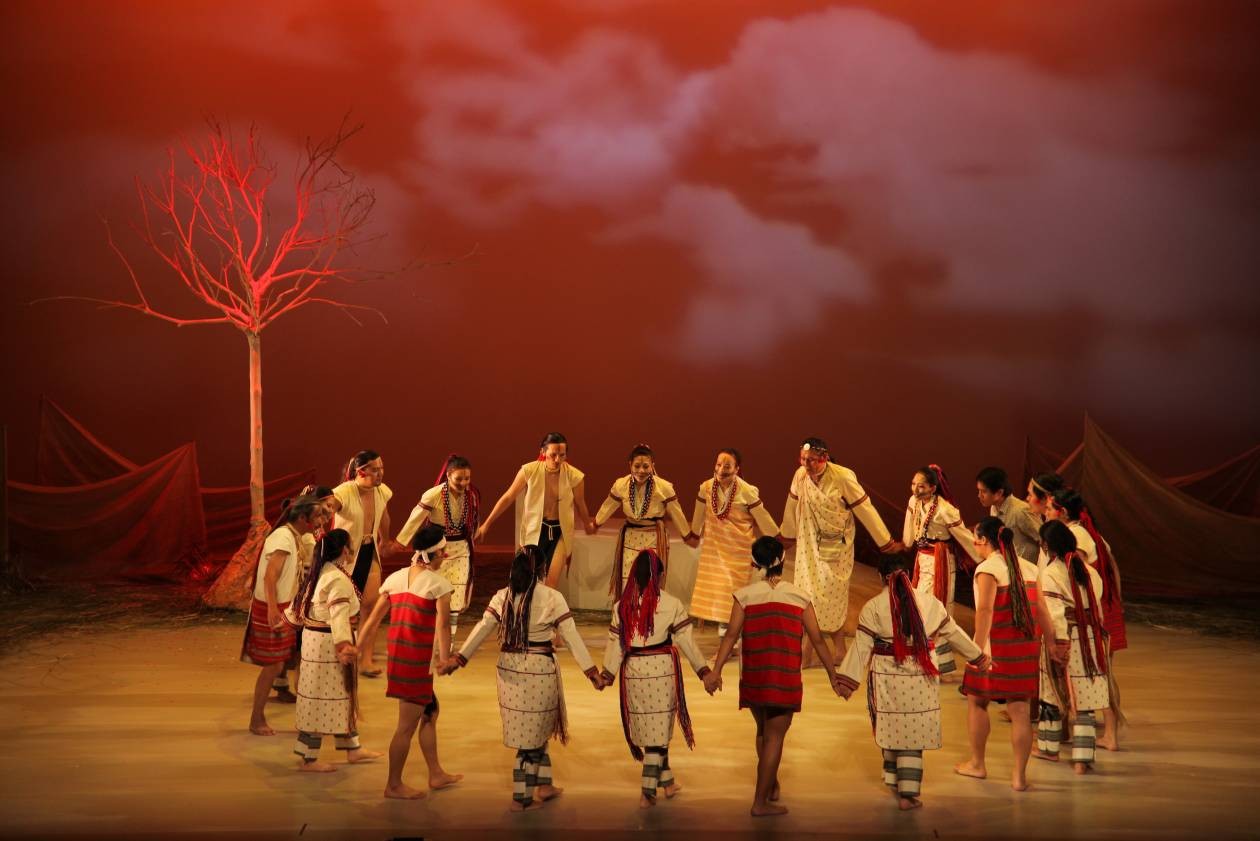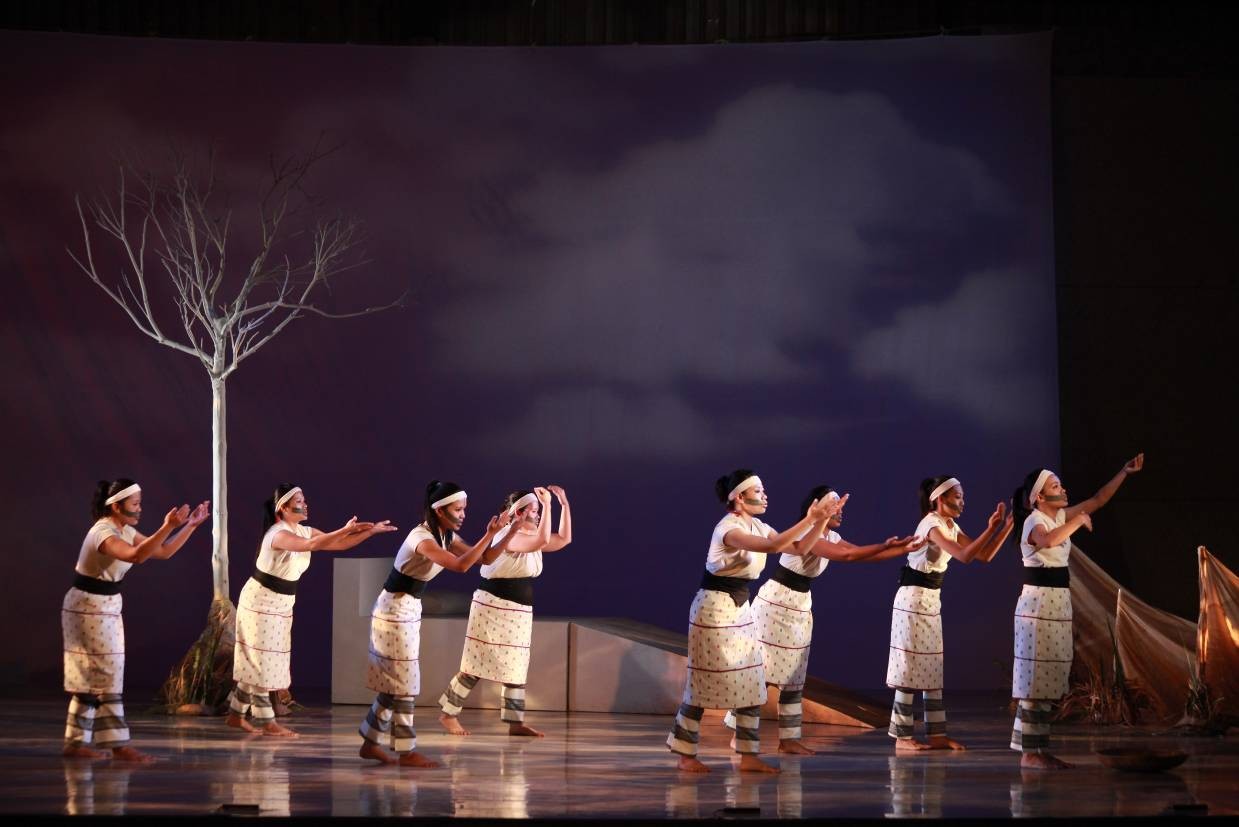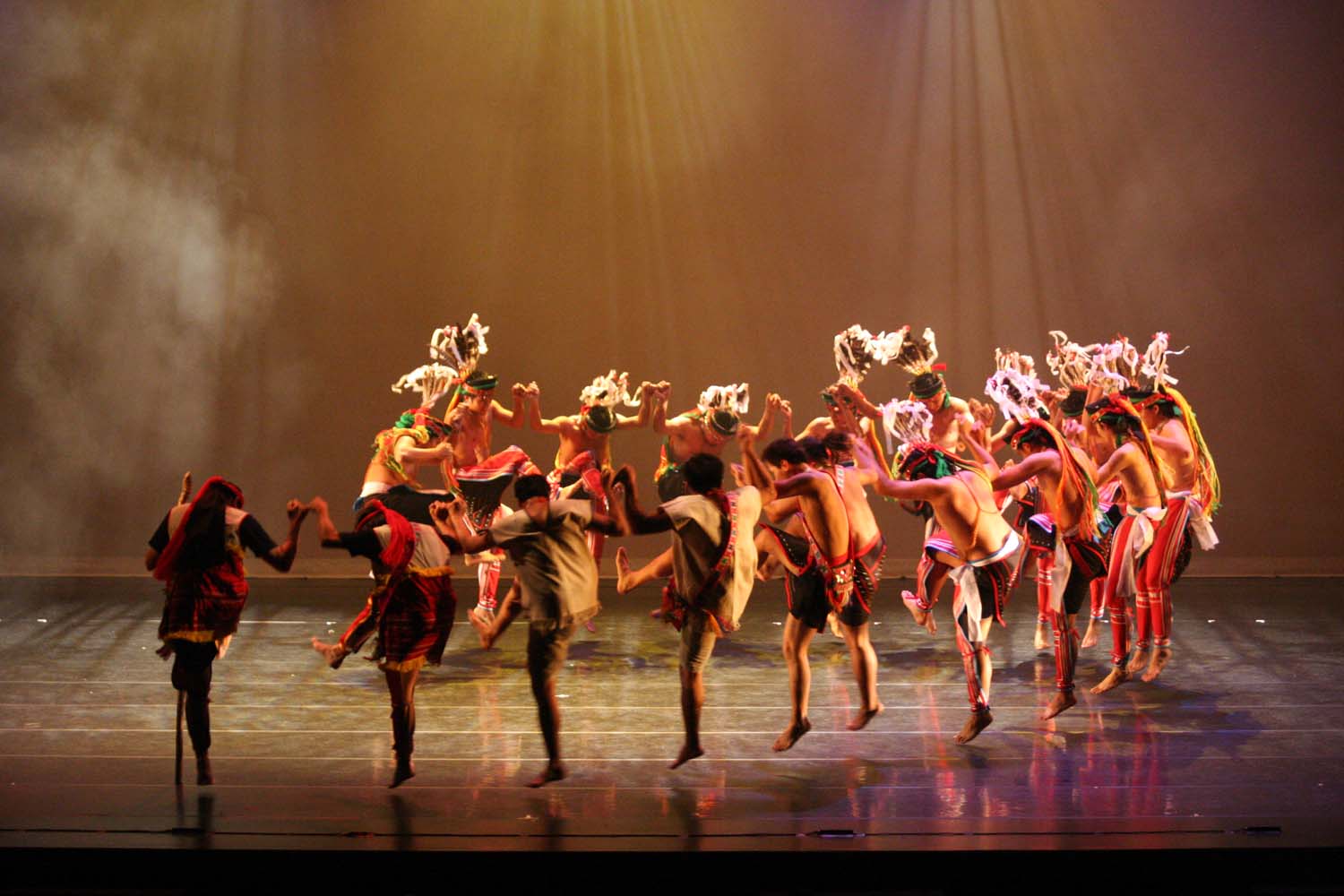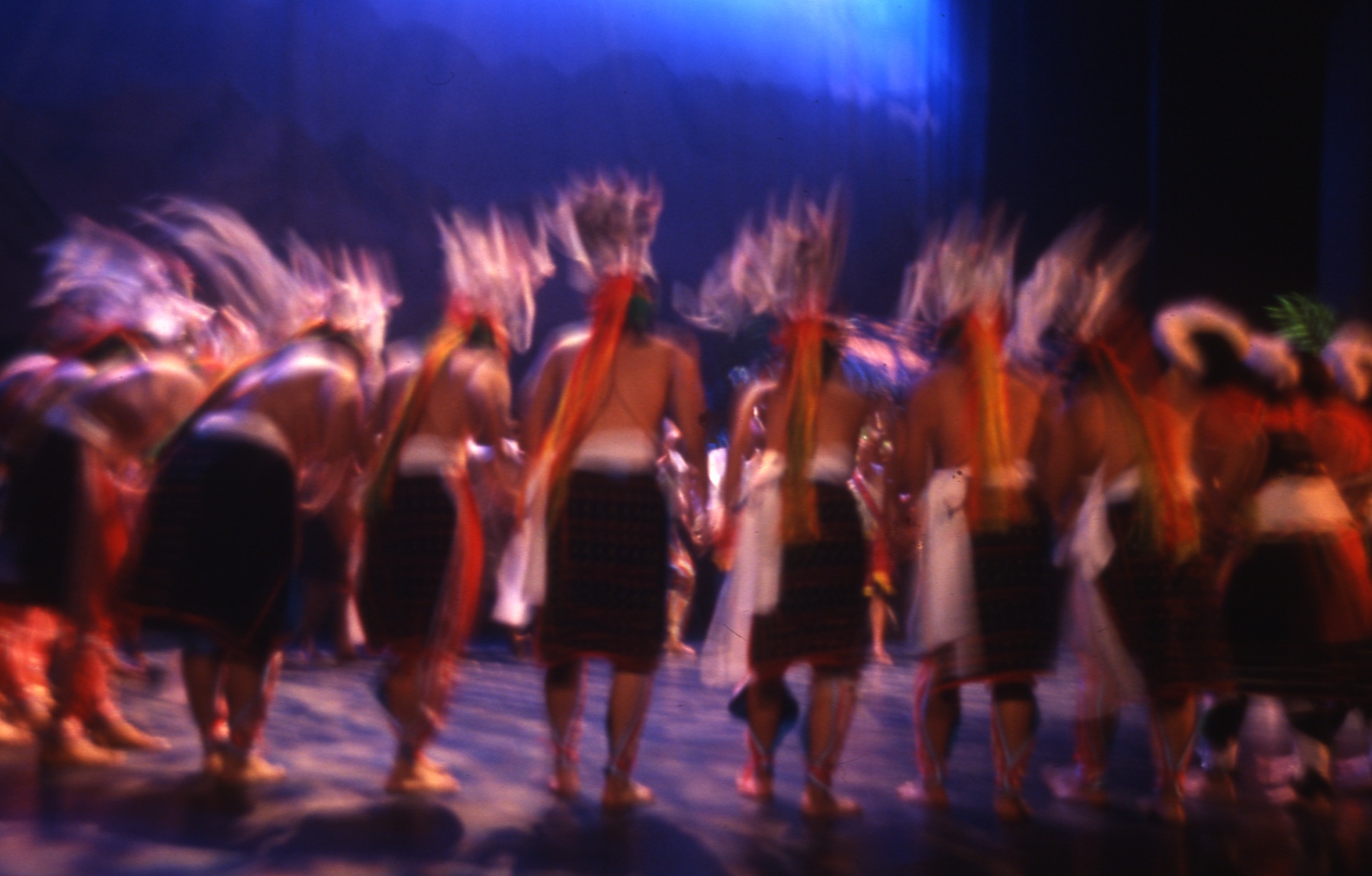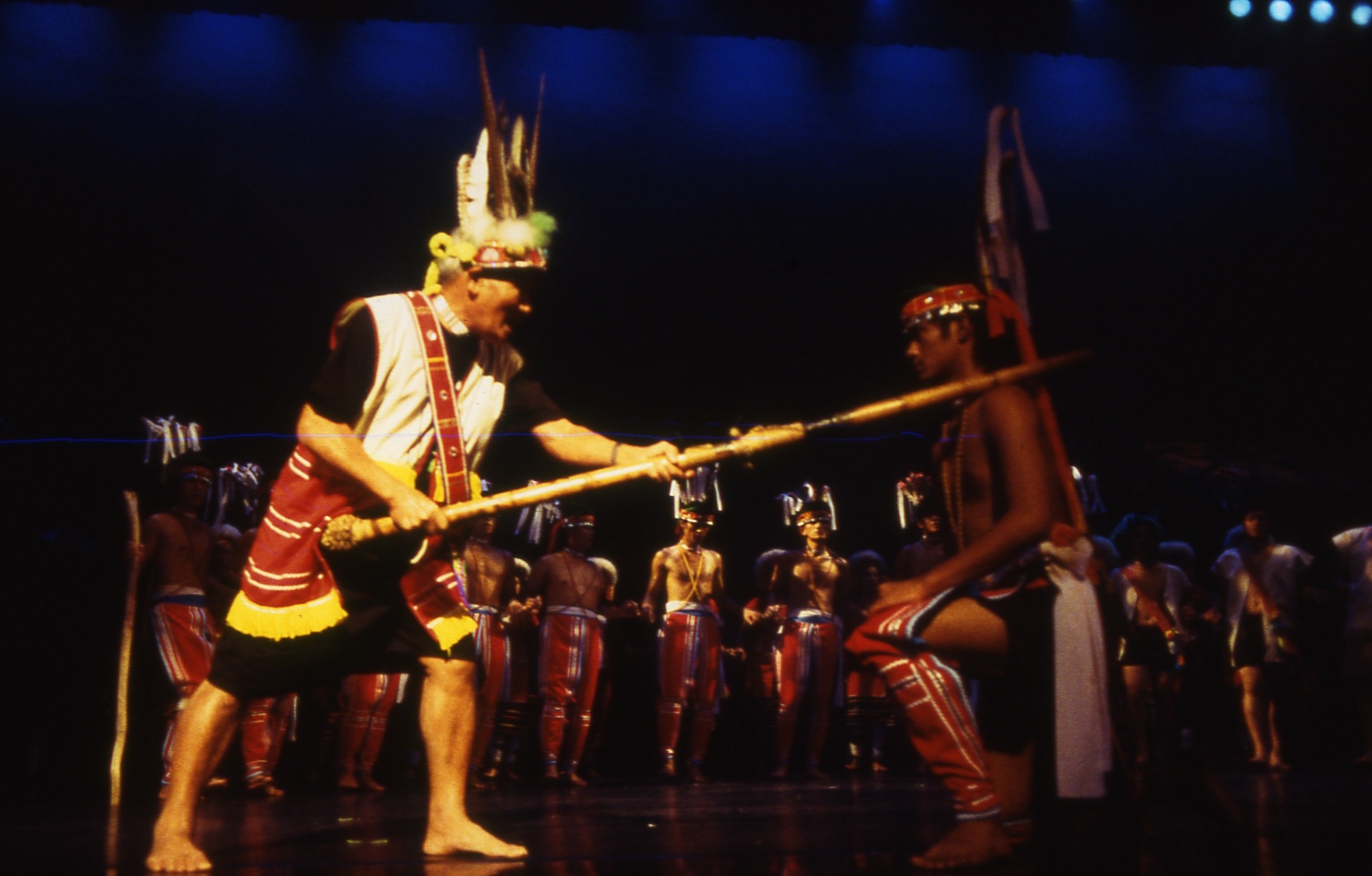

Hualien County, Taiwan, possesses a rich and diverse cultural landscape, notably home to the Truku and Amis peoples. Guided by ancestral teachings and looking to the “Hakaw Utux” (Rainbow Bridge) as the soul’s final home, the Truku people maintain a profound spiritual bond with their ancestors within the heart of the mountains. Along the coast, the Makota’ay village of the Amis people is renowned for its traditional “Ilisin” (annual) harvest festival, which takes place each July following the summer harvest. The ritual is an important post-harvest celebration—a sacred occasion to offer gratitude to the spirits and the supreme deity, Malataw, while performing rites of purification.
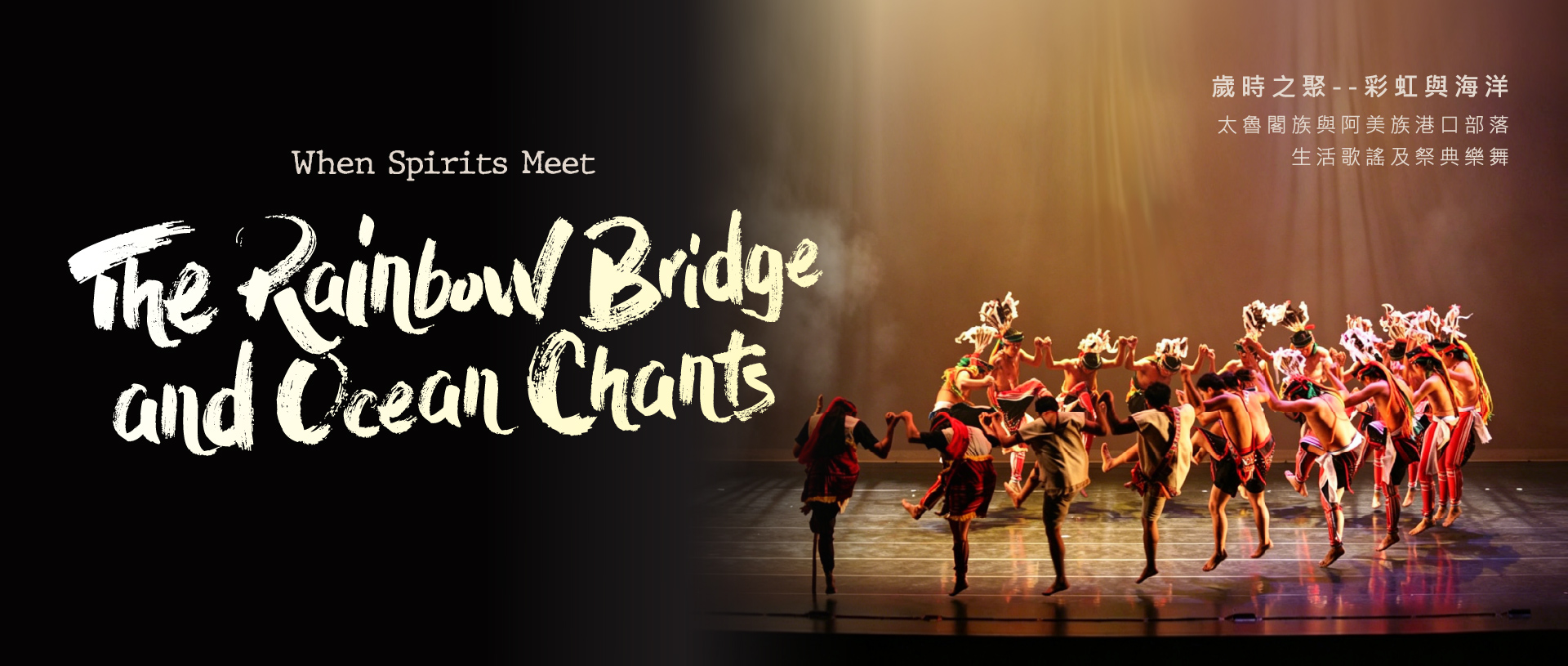
“When Spirits Meet: The Rainbow Bridge and Ocean Chants” brings together the distinct traditions of these two cultures. From the resonant echoes of the mountain forests to the rhythmic pulses of the Pacific tides, the performance unfolds as a vibrant dialogue between the Truku and the Amis through their songs and dances.
台灣花蓮縣擁有豐富多元的族群文化,其中就包含太魯閣族與阿美族。太魯閣族人遵循祖訓,並視「Hakaw Utux」(彩虹橋)為靈魂的最終歸處,他們在山林裡維繫著與祖靈深切交織的精神生活。而在太平洋沿岸,阿美族的港口部落(Makota’ay)以傳統歲時祭儀「Ilisin」聞名,深刻展現了年齡階級制度、海洋文化與團結精神。
《彩虹與海洋》結合這兩個族群截然不同的傳統樂舞。從山林間迴盪的太魯閣族幽谷樂音,到太平洋潮汐律動的阿美族奔放舞步,這場演出譜寫出一場太魯閣族與阿美族之間生動的文化對話。
[Workshop]
When Spirits Meet - Taiwan Indigenous Culture and Ritual Dance Workshop
歲時之聚- 台灣原住民文化與樂舞工作坊
Date: 6 August 2026 (Thursday)
Time: 6pm – 7pm
Venue: Gurney Plaza (Ground Floor, Extension Wing Atrium)
Free-to-attend but pre-registration is required.
Step into the rich cultural world of Taiwan’s Indigenous peoples in this engaging and interactive workshop led by Indigenous performers. Participants will discover the traditional attire, customs, and everyday life of the Truku people and the Amis community of Gangkou, while learning about the significance of traditional Truku musical instruments. Through storytelling, music, and the sharing of traditional songs, the workshop offers a unique opportunity to experience the vibrant cultural heritage and living traditions of Taiwan’s Indigenous communities.
跟著原舞者一起走進臺灣原住民族的文化世界!本次工作坊將帶領大家認識太魯閣族與阿美族港口部落的服飾與生活文化,也會帶來太魯閣族的傳統樂器分享,並一起學習傳唱歌謠。透過歌聲與故事,一起來感受屬於臺灣原住民族豐富多元的文化魅力吧!
Traditional Song and Dance of the Truku People:
太魯閣族傳統樂舞:
Deeply rooted in the high-mountain forests, the Truku people walk a path shaped by ancestral teachings, with ancestral rites forming the cornerstone of their traditional ceremonies. In Truku culture, the rainbow is known as “Hakaw Utux”—the Bridge of the Ancestral Spirits. It is the site of a sacred myth, the Rainbow Bridge Judgment, where ancestral guardians wait at the entrance to greet and evaluate the souls of the departed.
For the Truku people, the availability of farmland, hunting grounds, and suitable living environments are the decisive factors in establishing or relocating a settlement. The pursuit of arable land and productive hunting territories—both vital to the community’s survival—has historically been the primary driver of their migratory patterns. From the sowing of millet to the harvest of crops, the complete cycle of agricultural practices intertwines with hunting activities, forming a dense and continuous ritual system; at the heart of these ritual practices lies a faith-based relationship of mutual protection and reciprocal balance between people and their ancestral spirits.
太魯閣族深耕於高山森林,與自然和諧共生;族人遵循祖訓,而祖靈祭是其核心祭儀。在太魯閣族文化中,彩虹被稱為「Hakaw Utux」,意即「祖靈之橋」。它是神話「彩虹橋審判」的所在地;在那裡,祖靈守護者守候在橋頭,迎接並審視每一位逝者的靈魂。對太魯閣族而言,耕地、獵場以及居住環境是建立聚落或決定搬遷的關鍵因素。尋找足以維持群體生存的可耕地與狩獵領域,一直是驅動太魯閣族自然遷徙的主要動力。從小米播種到農作收割,完整的農耕週期與狩獵活動緊密交織,形成一套嚴密而連續的祭儀系統;這些祭儀實踐的核心,在於人與祖靈之間彼此守護、相互彌補的信仰關係。
Mouth Harp Performance:
The mouth harp and wooden xylophones are the primary traditional instruments of the Truku. Due to its simplicity and portability, the mouth harp is widely used for informal recreation. It serves as an essential tool for communication, emotional expression, and courtship during communal song and dance.
Rituals: Sowing, Harvest, Ancestral Spirits, Gratitude
During the era when agriculture and hunting defined daily existence, a harvest ritual was performed before the millet harvest, led by a village ritual specialist or a clan elder. According to oral traditions, the term tnlalay mhada refers to the act of plucking the earliest ripened, drooping ears of millet. This constitutes the first stage of the harvest rites, where these initial ears must be hung and stored within the granary. These sacred ears are revered as a gift bestowed by the ancestral spirits and must remain untouched for years. For earlier generations, this first cutting held profound significance: without the ceremonial recitation and the sanctification of the first ears, the community was forbidden from commencing the full-scale harvest. Furthermore, the preservation of these sacred ears symbolizes a promise and a prayer for continued abundance in the coming year.
Before and after the millet harvest, various taboos must be observed, leading into a vital hunting season. Elders recall that in the past, headhunting was a precursor to these hunts; only after the post-headhunt rituals and communal feasting could the tribe embark on maduq hadur—a collective hunt that yielded the greatest abundance of wild game.
This progression from headhunting to animal hunting was a seamless series of actions that lifted ritual restrictions and foretold a successful harvest. A key ceremony, powda maduq, highlights the mutual exchange between the living and the spirit world, utilising the powerful imagery of sacrificial blood to connect the entire ritual journey.
【口簧琴演奏】
太魯閣族的傳統樂器以口簧琴、木琴為主,其中口簧琴是一種構造簡單、攜帶方便之小型樂器,廣泛使用於休閒、助興等場合,是族人用於語言表達、情感連絡、表達愛情及歌舞同歡的樂器。
【祭儀:播種、收獲、祖靈、感恩】
農獵生活時期,小米收割前先由部落祭司或家族長老進行收獲儀式,在耆老口述中的tnlalay mhada,意指摘取最先熟垂的小米穗,這是收穫祭的第一階段,初割的小米穗須吊掛在穀倉保存。據口述資料指出這是祖靈所賜的小米,經過幾年都要保存而不去動它。初割的小米穗對於早期族人農獵生活的重要性。關鍵概念在於若未經聖穗初割唸誦祭詞的過程,就不能進入全面性的收割階段,聖穗的保存也喻指明年的再收成。小米收割前後,除了伴隨著必需遵守的禁忌之外,在小米收割之後有一段狩獵活動。上述調查資料提到早期族人在狩獵前會進行獵人頭的風習,耆老口述獵人頭回來舉行儀式分食後再去狩獵的行動,族語稱之 maduq hadur,是部落集體性的狩獵,也是獵獲野獸最多的時候。
從獵頭到獵獸是一連串的行動,具有祭儀禁忌解除和預兆豐收的指涉。其中,狩獵前的 powda maduq 儀式,顯示人/靈間交換互補的概念,並藉由血紅意象貫穿整個牲祭儀式過程。
Traditional Song and Dance in the Makota’ay Community of Amis:
阿美族港口部落傳統樂舞:
Located at the mouth of the Shiouguluan River in Hualien, Makota’ay is a cradle of Amis culture. Nestled between the Coastal Mountains and the Pacific Ocean, the community remains a sanctuary for the traditional age-grade system and sacred rituals such as the Ritual of the Ocean and Ilisin (Annual Festival).
The Ilisin (Annual Festival) of Makota’ay takes place each July, following the summer harvest. Although Western influence has introduced a Catholic Mass on the eve of the festival, the community’s ancestral spirit remains steadfast. The ritual is an essential celebration following the rice harvest—a sacred time to offer gratitude to the spirits and the supreme deity, Malataw, while performing rites of purification.
The festival is organized and governed by the men’s age-grade system. During this period, strict discipline is enforced, and all tasks are assigned by seniority, showcasing a profound spirit of collective cooperation. After four days of welcoming, entertaining, and feasting with the spirits through songs and dances, the festival culminates in the Spirit Send-off, a final ritual led by the women of the community.
To the people of Makota’ay, the sea is more than a landscape—it is the very pulse of their songs, the rhythm of their dance, and the foundation of their social order. Through this performance, we invite you to transcend the boundaries of land and sea to experience the ancient, wave-like memories of a life that flows eternally.
[Song of Logging and Hauling]
This work song portrays the communal labor of transporting timber and rattan from the mountains down the Shiouguluan River to the shore. As the logs drift through turbulent currents, the singers express the danger and uncertainty of life, protecting the wood with their bodies. Rising and falling voices, shaped by somber melodies and urgent shouts, transform individual effort into collective strength, carrying the timber back to the village.
[Song of Makota’ay]
For generations, Makota’ay has thrived through a deep communion with the land and sea—farming, fishing, and hunting in harmony with nature. Their everyday songs and dances emerge spontaneously from the fields and shores, transforming the hardships of labor into collective strength. In these movements, body and breath sway as one, flowing naturally with the rhythms of the earth.
[Song of Firestone]
The hearth is where families gather and life takes shape—the center of the home and the source of the people’s vitality. Fire is more than warmth; it is the beginning of life itself. In the early days of settlement, ancestors sought fire using stones from the seashore and river pebbles. A communal fire once burned year-round in the men’s assembly house, symbolising the life of the village. Guarded by the young men’s age grade, this fire sustained warmth, continuity, and the living heart of the community.
[Songs and Dances of Ilisin]
The performance begins with mitekas, the Rite of Welcoming the Spirits, followed by nokay no miawaway, which celebrates the return of the warriors. As evening descends, pakayat evokes the atmosphere of courtship and youthful gathering, while palimo presents offerings of wine to seek blessings and protection. Ceremonial honour is expressed through pa’iwa, before pacakat marks the promotion of individuals within the age-grade hierarchy. The ritual cycle concludes with mirecok, symbolising withdrawal and closure, and finally mipihay, the sending-off of the spirits, completing the sacred passage between the human and spiritual realms.
阿美族港口部落(Makota’ay)位於花蓮秀姑巒溪出海口,是阿美族重要的文化發源地之一。這裡背倚海岸山脈、面迎太平洋,保存了嚴密的年齡階級制度與海祭、年祭(Ilisin)等傳統。對 Makota’ay部落族人來說,海洋不只是地景,更化為歌舞中的律動與社會秩序的根基。透過樂舞,我們將跨越山海邊界,感受這座古老部落如浪潮般悠遠、綿延不絕的生命記憶。
【伐木拉牽歌】
族人在山林中砍伐木材與黃藤作為建材,順著秀姑巒溪運送至出海口,再由眾人合力拉拖上岸。歌謠描繪木頭隨水漂流,在急流中載浮載沉;族人以身護木,隨時可能受傷甚至喪命,生命充滿不確定性。旋律低迴轉折,聲音忽高忽低,映照族人在溪流中的緊張與情緒起伏。族人的喊聲層層疊加,化為力量與節奏,凝聚眾人之力,將木頭拉回部落。
【Makota’ay之歌】
港口部落世代以農、林、漁、獵維生,族人在海洋、溪流與高山之間生活,孕育出一套與自然和諧共生的智慧。日常歌舞多源於工作、休閒與聚會,隨時即興而起,既能紓解勞動的辛苦,也能激勵夥伴。族人的身體隨歌聲的旋律與節奏自然擺動,展現人與自然相互呼應的生命律動。
【打火石之歌】
火爐,是家人圍坐與生命生長的中心。火,是部落延續不息的生命之源。
祖先以海岸之石擊火,在黑暗中點亮生存之路。部落聚會所的火終年不滅,由青年階級守護。火光之中,部落的生命持續燃燒。
【Ilisin祭典樂舞】
-迎靈祭 mitekas
-勇士歸來 nokay no miawaway
-情人夜 pakayat
-獻酒祈福 palimo
-表揚 pa’iwa
-晉階 pacakat
-復歸 mirecok
-送靈 mipihay
港口部落(Makota’ay)的傳統年祭在每年夏季七月中下旬農作收成後舉行。傳統年祭的宗教本質受西洋宗教的影響,因此年祭活動的前一天特別引用宗教彌撒的儀式,取代了傳統,但族人對年祭的傳統觀念未變,認為年祭是水稻收割之後必須舉行的祭儀活動,是向祖靈及天神 malataw 感恩以及驅邪除疫的儀式。祭典活動由男子年齡階級組織籌辦,期間紀律嚴格執行,所有任務分配一律按照階級年齡來執行,階級制度協力合作充分發揮。四天的迎靈、娛靈、宴靈祭歌舞之後,最後由部落女性舉行送靈祭。
“When Spirits Meet: The Rainbow Bridge and Ocean Chants”is part of the Isle to Isle series, presented by George Town Festival in partnership with the Taipei Economic and Cultural Office in Malaysia.
Photos