
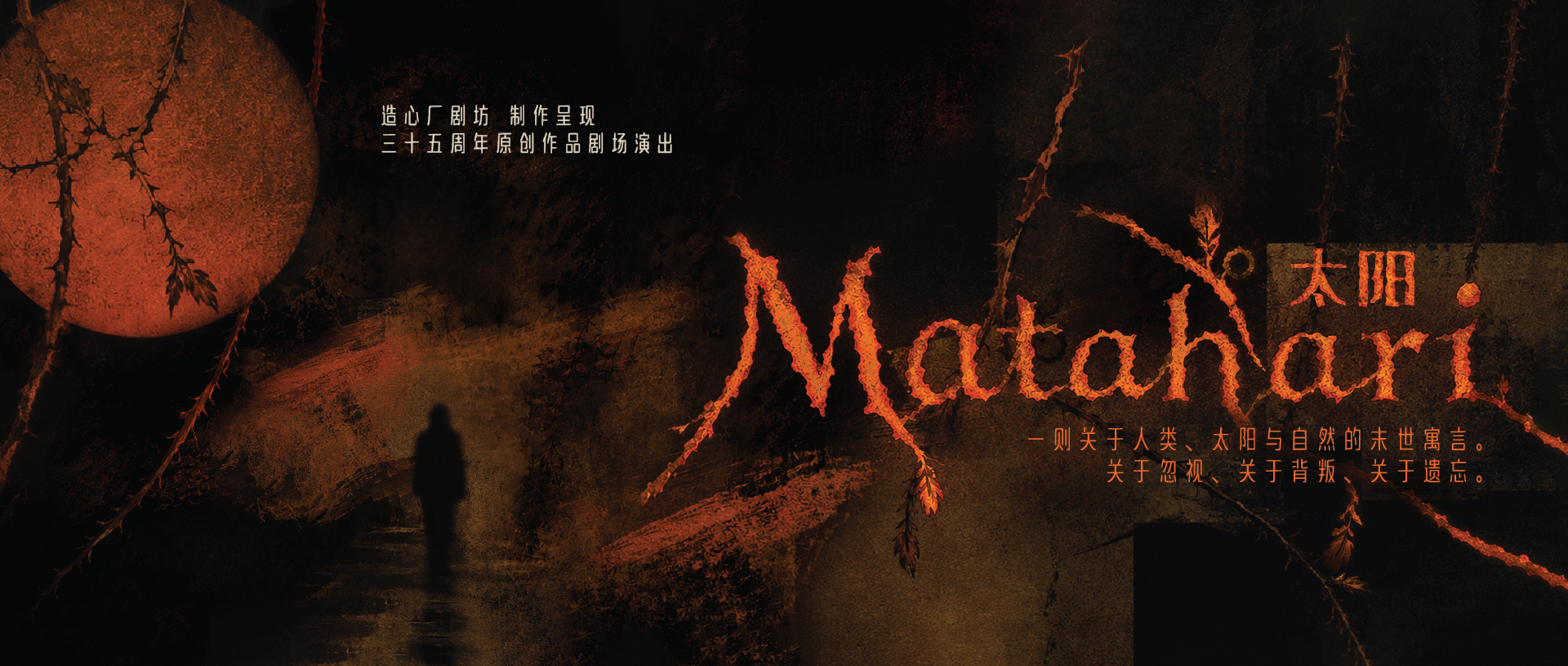
Matahari 太阳

For generations, humanity has lived under the comforting certainty that the sun will always rise. Yet what if that certainty could no longer be taken for granted?

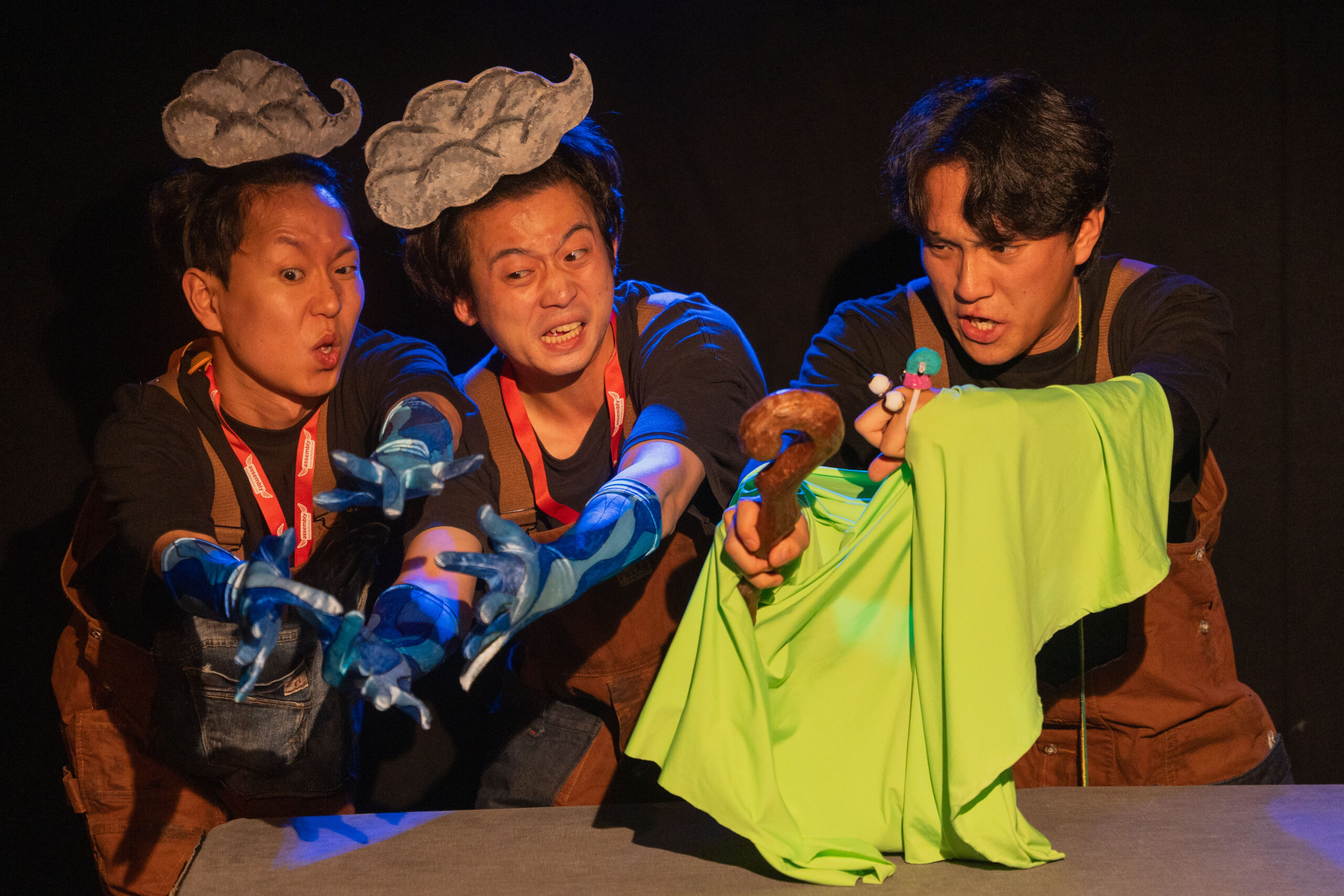
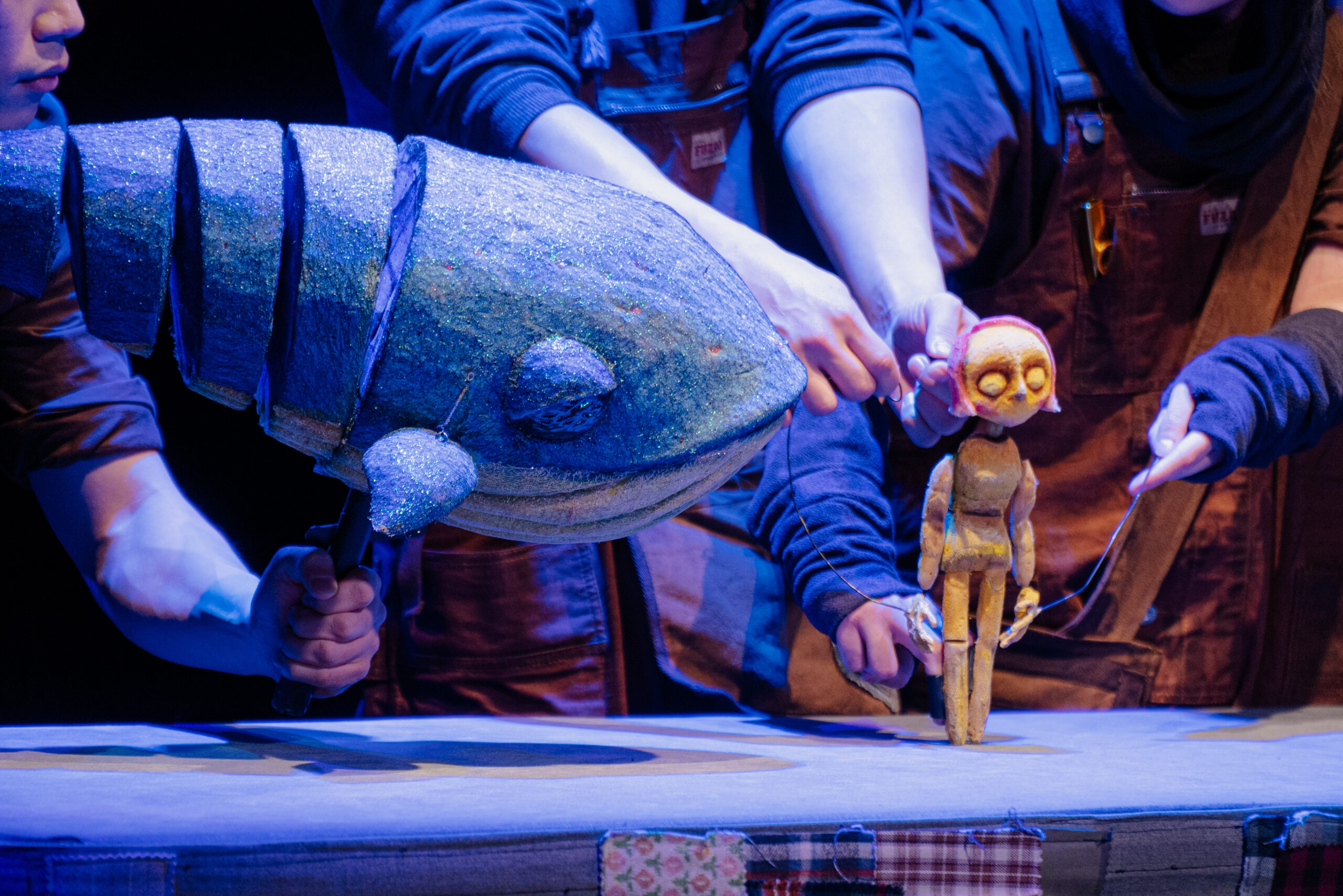
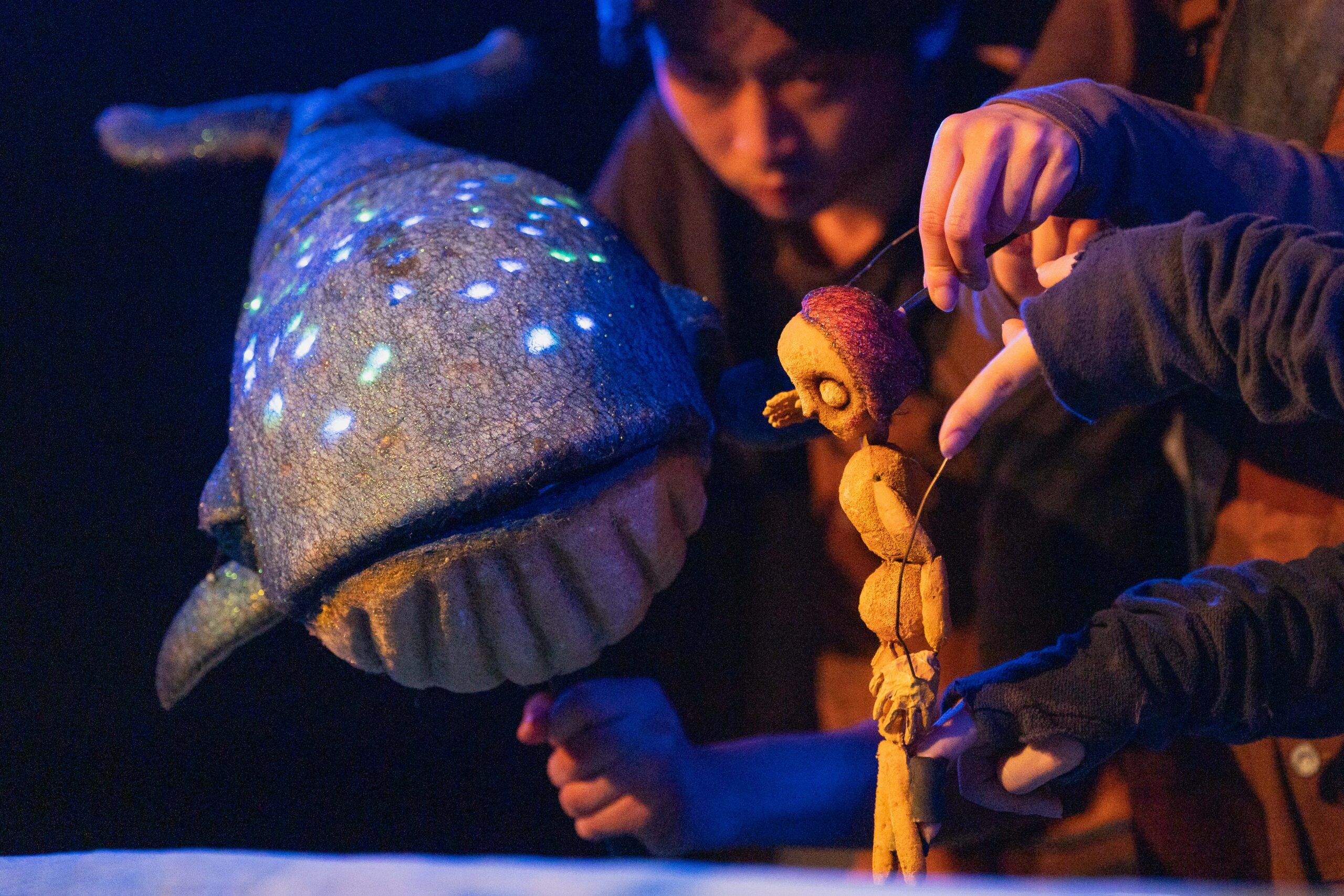
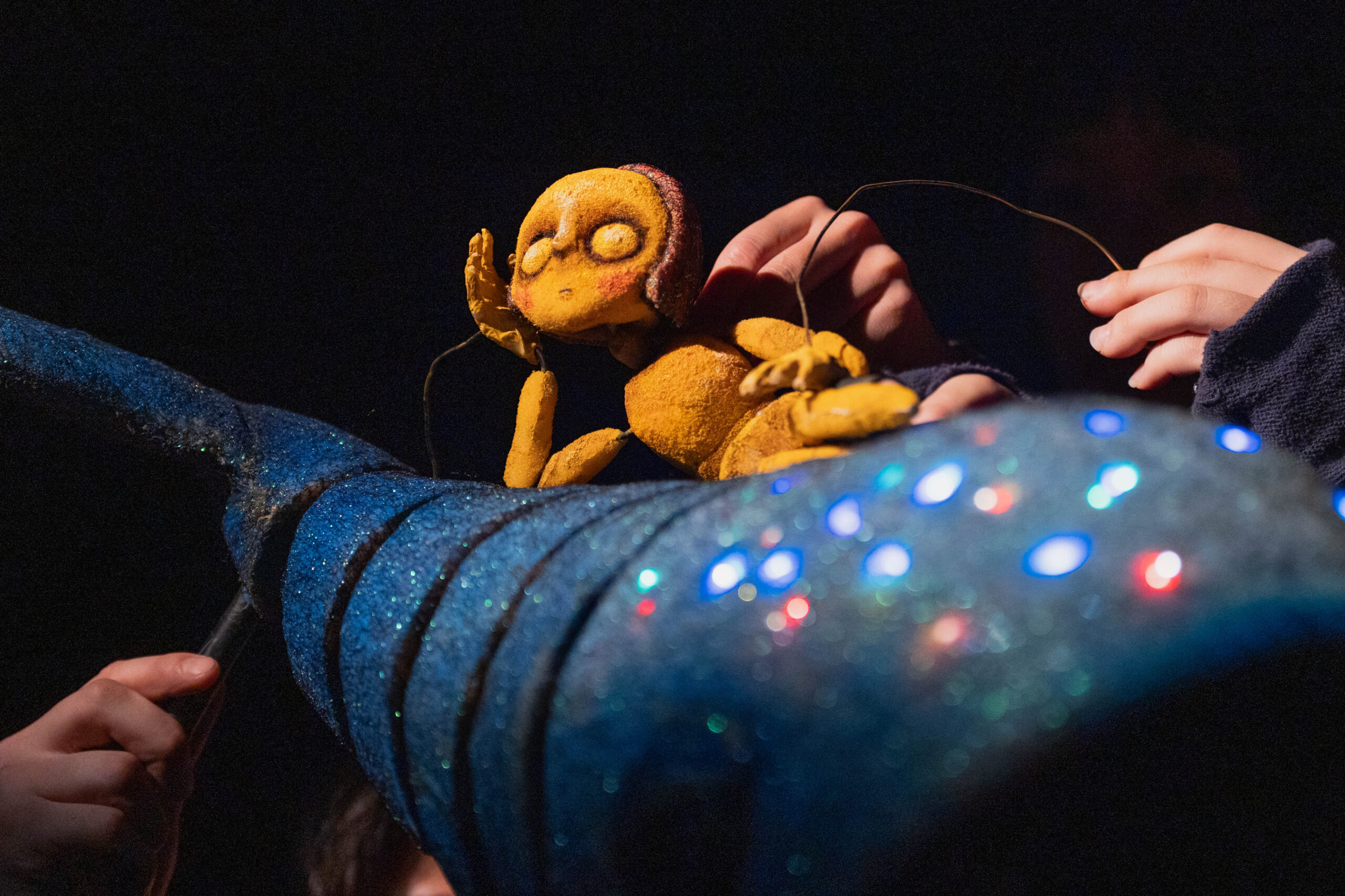
Performed by ZXC Theatre Troupe, “MATAHARI” is a visually striking post-apocalyptic fable that explores the fragile relationship between humanity and the natural world. Once revered as the source of life, the sun now stands as a silent witness to centuries of human ambition, exploitation, and neglect. As environmental collapse looms and the fate of the sun itself hangs in the balance, humanity is forced to confront the consequences of its actions.

Blending powerful storytelling with compelling imagery, MATAHARI invites audiences into a future where darkness threatens to become permanent and the promises between people and planet have long been forgotten. In the face of an uncertain tomorrow, the work poses a haunting question: if the sun were to disappear, what would become of us?

About Creative Group SSAK:

Photos
Videos

PROJECT DETAILS

Date & Time

TICKETS

Category

Venue

DURATION

OTHER FASCINATING PROGRAMMES

As the sun begins to set and the city comes alive, “Six to Eleven” transforms the opening weekend of George Town Festival into an evening of music, light, movement, and shared celebration. From 6pm until 11pm, Padang Kota Lama becomes a vibrant playground where local and international artists, communities, and audiences come together in a joyful encounter that blurs the boundaries between performance and everyday life. Journey through glowing projection-mapped heritage buildings, wander into immersive light installations, discover lively arts markets and participatory workshops, and be captivated by performances that span cultures and traditions—from the haunting sounds of Borneo’s indigenous music and contemporary ethnic fusion to shadow puppetry, interactive street theatre, and spectacular roaming performances. Along the way, spontaneous moments of wonder await around every corner, inviting visitors of all ages to pause, explore, and connect. More than an opening event, “Six to Eleven” is an invitation to experience George Town after dark through curiosity, creativity, and community. Whether you’re dancing to live music, marvelling at illuminated heritage landmarks, creating alongside artists, or simply soaking in the festive atmosphere, every hour offers a new encounter—turning the city itself into a stage where stories, cultures, and people meet.
More than just a treasure hunt, George Town Cultural Hunt transforms the city into a real-life adventure game where participants explore, discover, and unlock hidden experiences through their mobile phones. Guided by clues and interactive challenges, teams will navigate through the streets of George Town, uncover secret locations, complete missions, and reveal stories hidden within the city’s vibrant culture and heritage. As participants progress through the hunt, they will encounter local businesses, traditional trades, cultural landmarks, and unique community experiences that bring the city to life. Each checkpoint presents a new challenge, requiring teamwork, creativity, observation, and problem-solving to advance to the next stage of the adventure. Blending digital exploration with real-world discovery, the programme turns George Town City into an immersive playground filled with surprises around every corner. Whether you’re racing against the clock, solving puzzles, or uncovering hidden gems, every mission unlocks a new part of the journey! Grab your phone, gather your team, and get ready to EXPLORE, SOLVE, and UNLOCK a side of George Town that few ever get to experience!!
Solo exhibition by Tao G. Vrhovec Sambolec Involuntary Writing by Amsterdam-based artist Tao G. Vrhovec Sambolec is presented at Blank Canvas that brings together site-specific murals and a triptych consisting of a digital scan, a black and white photograph, and a rubber stamp imprint. The project highlights unintentional ink stains that occur while writing by hand. The artist turns attention to these unintended marks, treating them as visual forms in their own right, which are magnified and reworked within the exhibition space. He foregrounds their idiosyncratic, irregular shapes as visual elements that are neither illustrations, symbolic representations, nor abstractions, but incomprehensible forms that, nevertheless, radiate familiarity. Rather than trying to define or interpret them, the project leans into this ambiguity by adopting a non-interpretative gaze – one that is more akin to “listening to shapes”, allowing their presence to be felt rather than explained.